
To get a quote for purchasing our products click the button to contact us
SESAME SEED
Sesame seed is the seed of the flowering plant ‘Sesame’ in the genus Sesamum, also called Benne. Its scientific name is Sesamum indicum and its one of the oldest oil crops known.
OVERVIEW
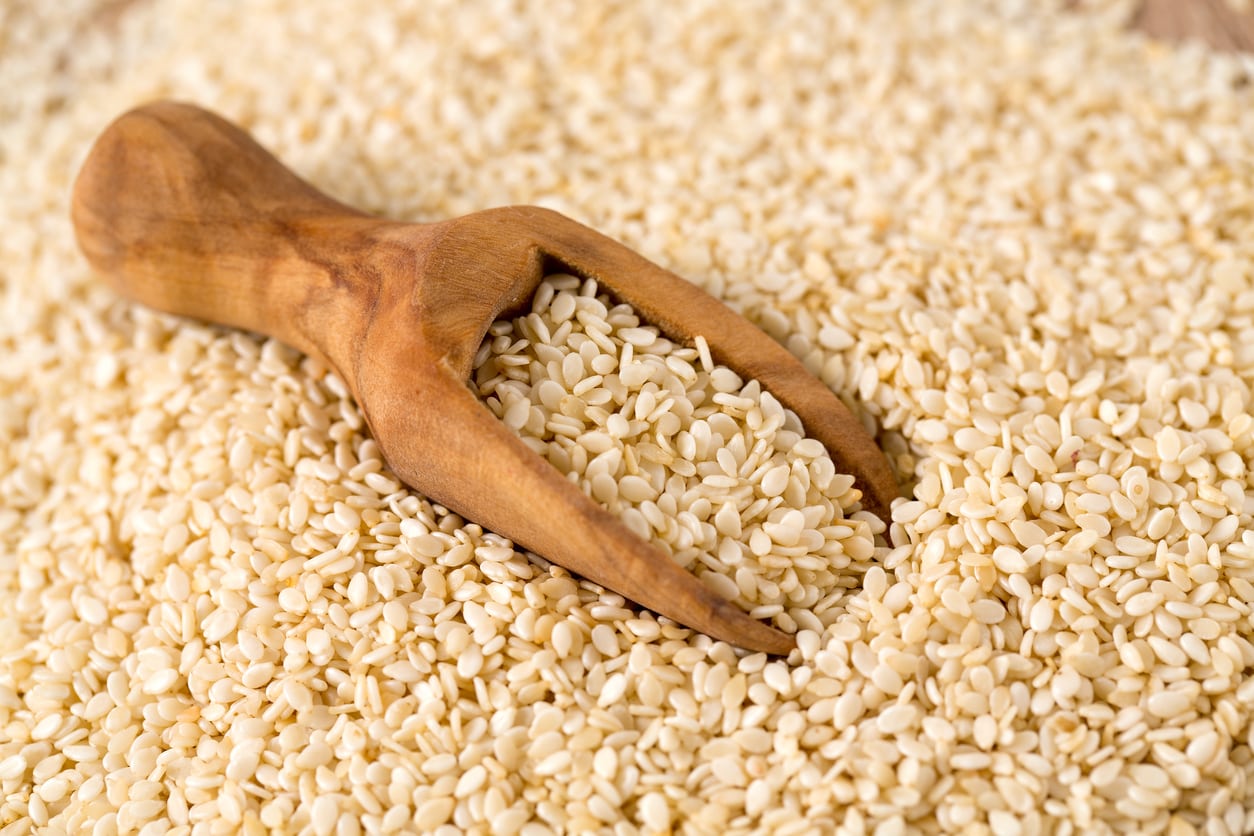
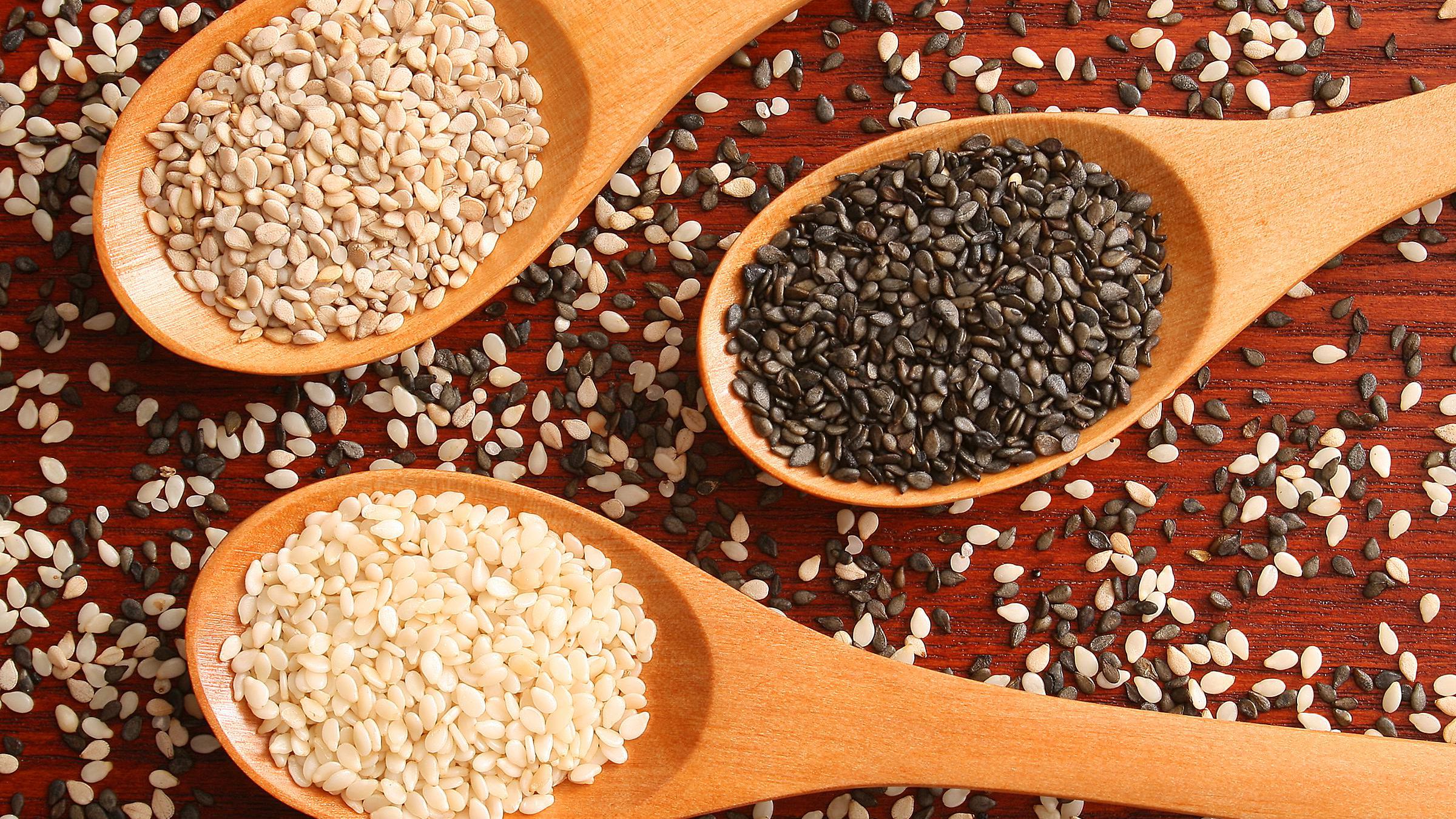
Sesame seed is the seed of the flowering plant ‘Sesame’ in the genus Sesamum, also called Benne. Its scientific name is Sesamum indicum and its one of the oldest oil crops known. Sesame seeds are small and flat in size, they’re about 3-4mm long. They also come in assorted colour varieties ranging from white(creamy), tan (light brown), red (deep brown) to black. This seed has one the highest oil contents in any seed which has a rich nutty flavour. It is also believed that the white seed are preferable as food grade use while the brown and black are good source of oil.

OUR
SPECIFICATIONS
6% MAX
MOISTURE CONTENT
98% MIN
PURITY LEVEL
2-3 MM
PARTICLE SIZE
45% MIN
OIL CONTENT
2% MAX
FREE FATTY ACID
PRODUCTION
In Nigeria, mostly the white and brown sesame seed are produced. White sesame seed are cultivated in Keffi, Lafia/Nasarawa, and Makurdi/Benue while the brown seed can be found in the Northern area such as Kano, Jigawa and Katsina. Due to its small size, it can be difficult to dry after harvesting. Seeds are therefore cleaned and hulled and then separated. Immature or off sized seeds are removed and used for other production purposes. Nigeria is one of the highest producers and exporter of both shelled and unshelled sesame seed.
SEED IDENTIFICATION
Having a good sesame seed is one of the criteria needed to help boost production and trading both locally and internationally. A good quality sesame seed can be identified by taking a closer look at the colour of the seed. The whitish seed are believed to be of a higher quality. Also, the seed dimension i.e., having a not too flat and dried seed can contribute to having a higher quality seed at one’s disposal.
SPECIFICATION
| MOISTURE CONTENT | 6% MAX |
| FOREIGN MATTER | 0-2% MAX |
| PARTICLE SIZE | 2-3MM |
| OIL CONTENT | 45-51% MIN |
| FREE FATTY ACID | 1-2%MAX |
| IMPURITIES | 0-2% |
| PURITY LEVEL | 98-99% |
PACKAGING
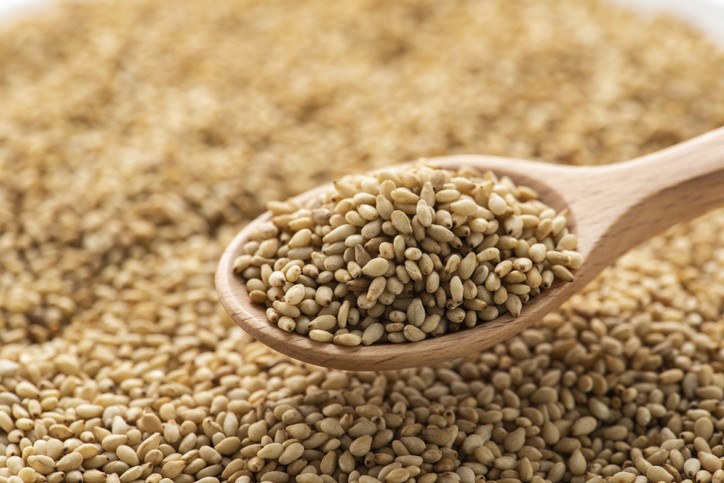
Packaging is done according to buyer’s specifications
USES AND HEALTH BENEFITS
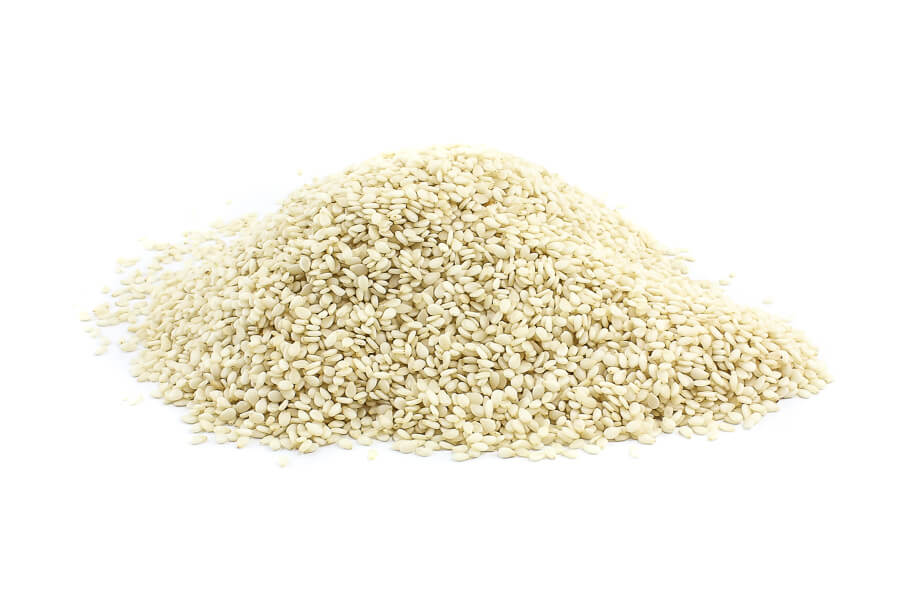
Sesame seeds are used as food garnishing and toppings in salad and baked items. Oils for cooking. Sesame seeds are rich in minerals such as calcium, zinc, iron, magnesium, vitamin B1 and dietary fibres.

GET IN TOUCH


